Why I never tell stories at dinner parties
Aug 11, 2026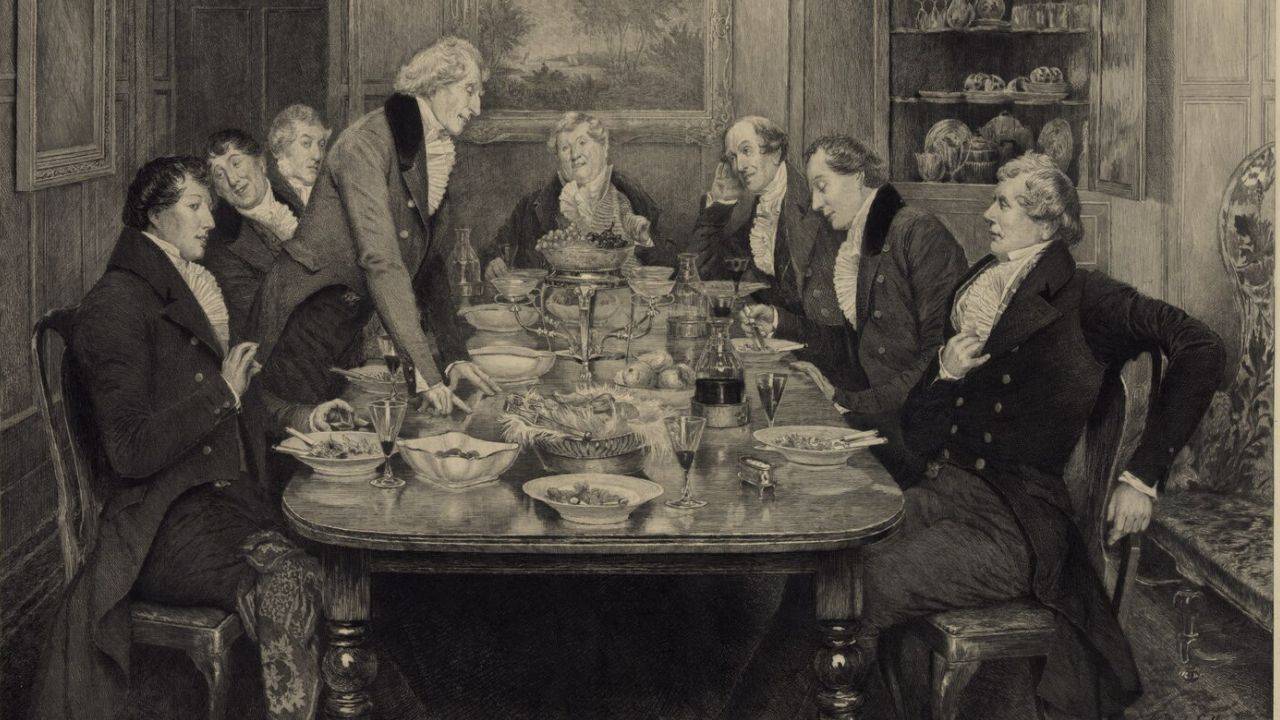
Storytelling is not niche – it's a fundamental function of language.
I am currently working at NILE in the UK (Norwich Institute for Language Education). I have been lucky enough to work with some wonderful teachers and we've had some great discussions about what it means to use storytelling in the classroom.
Here is a lead-in question I like to ask:
When you hear the word 'storyteller', what images come to mind?
Here are some of the answers I've heard:
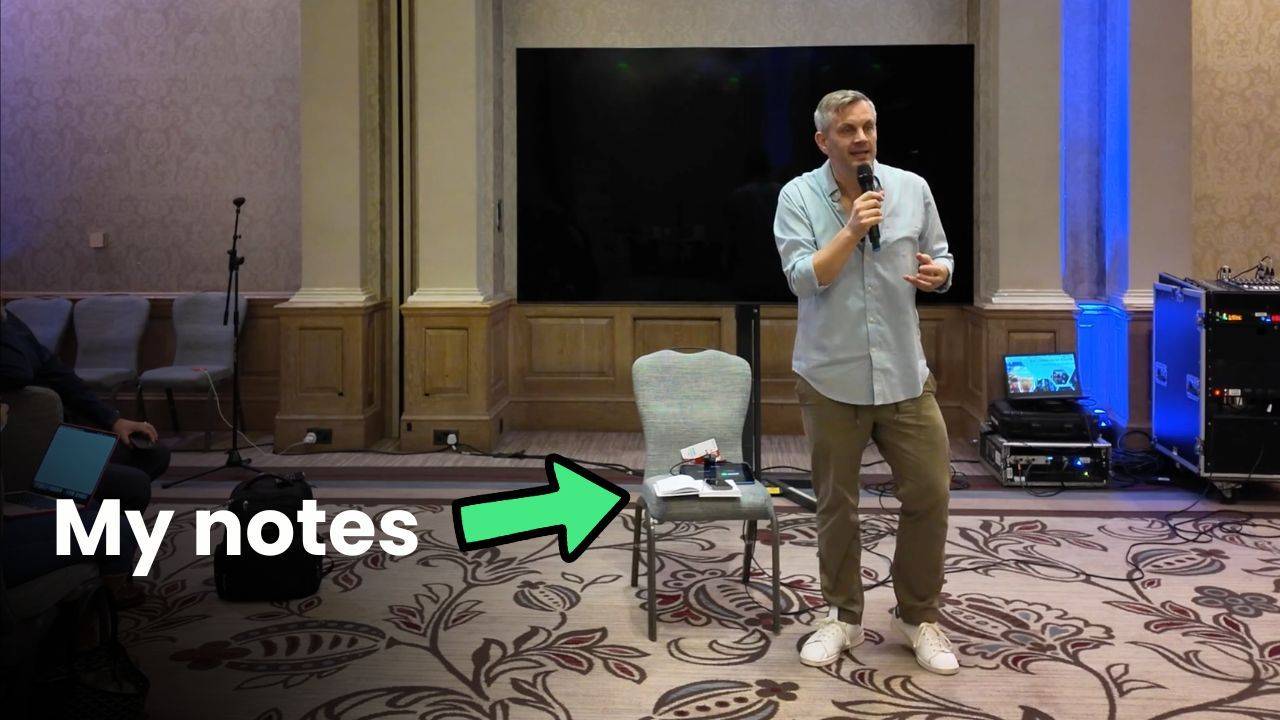
- The charismatic campfire storyteller
- Stand-up comedians and TED speakers
- A children’s storyteller
- That entertaining uncle who takes over family gatherings with stories about things he has done and people he has known
These are all examples of performance storytellers. And if you don't identify with them, you might conclude that you are not a storyteller.
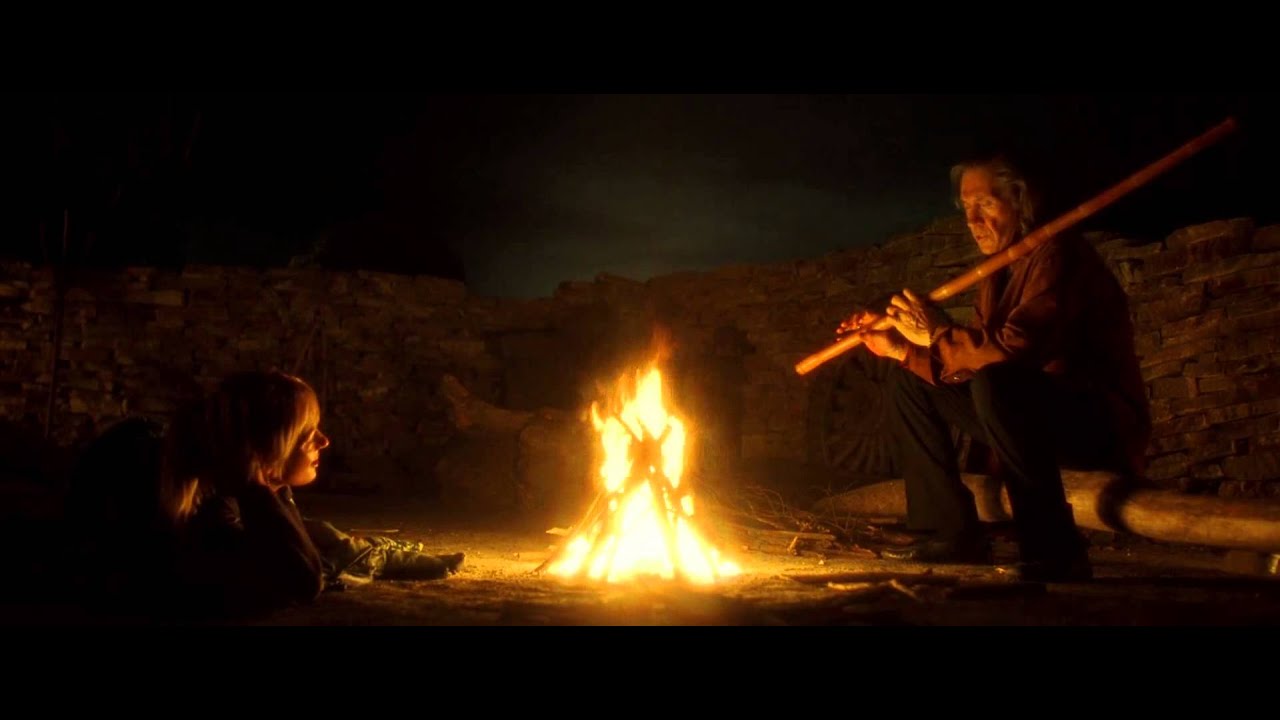
Storytelling is a fundamental function of language. Some anthropologists, such as Robin Dunbar, have even argued that language evolved primarily for social bonding through gossip – a form of storytelling that helps maintain group cohesion.
And there's something else worth bearing in mind: most conversational storytelling takes place between just two people. The reason is simple – the greater the number of people in a group, the harder it is for any one person to hold the floor. You have to fight for it. And that's why I never tell stories at dinner parties.
With this in mind, here are three thoughts:
-
Storytelling lends itself particularly well to one-to-one teaching. This is surely the most natural context for developing students' or clients' conversational storytelling skills.
-
Storytelling is noticeably underrepresented in language courses, curricula and teaching materials. Perhaps that's because it is often regarded as a niche skill – associated with presenters and public speakers. But as we have seen, storytelling is not. It is a fundamental function of language.
-
If you wish to develop your own storytelling skills, you don't need a stage or a large audience. All you need is a friend, colleague or family member – someone to lend you their ears and perhaps give some feedback. You might be surprised how much you can develop simply by practising with a partner.
Video & Story
If you would like to explore the ideas in this post, the LessonStream mini course – Video & Story – is the perfect place to start.
Jamie
👉 Find out about Video & Story

Sign up to the LessonStream Post and get fresh ideas for teaching with video, image and story – straight to your inbox. I'll also send you my ebook – Seven Ways to Curiosify Your Students