An unsung hero of grammar
Nov 05, 2026
A grammar teaching idea involving book titles and their covers
Grammar is far more complicated than we often assume. If you doubt this, pick up a copy of The Cambridge Grammar of the English Language (Huddleston & Pullum, 2002). This may be more difficult than it sounds: it consists of 1,860 pages and weighs over 3 kilos. Now open it, start reading and see how far you get!
Learners’ grammars are an attempt to tame the beast. Inevitably, much of what we give to students is a highly simplified version of something incredibly complex. This makes it inaccurate at times, but that is widely accepted as a necessary compromise.
Lately I’ve been rediscovering my love of grammar, and it has me wondering whether we sometimes simplify too much. When we do, we risk hiding the beauty of the language from our students, and that is a loss.
Let me show you what I mean with two book covers.
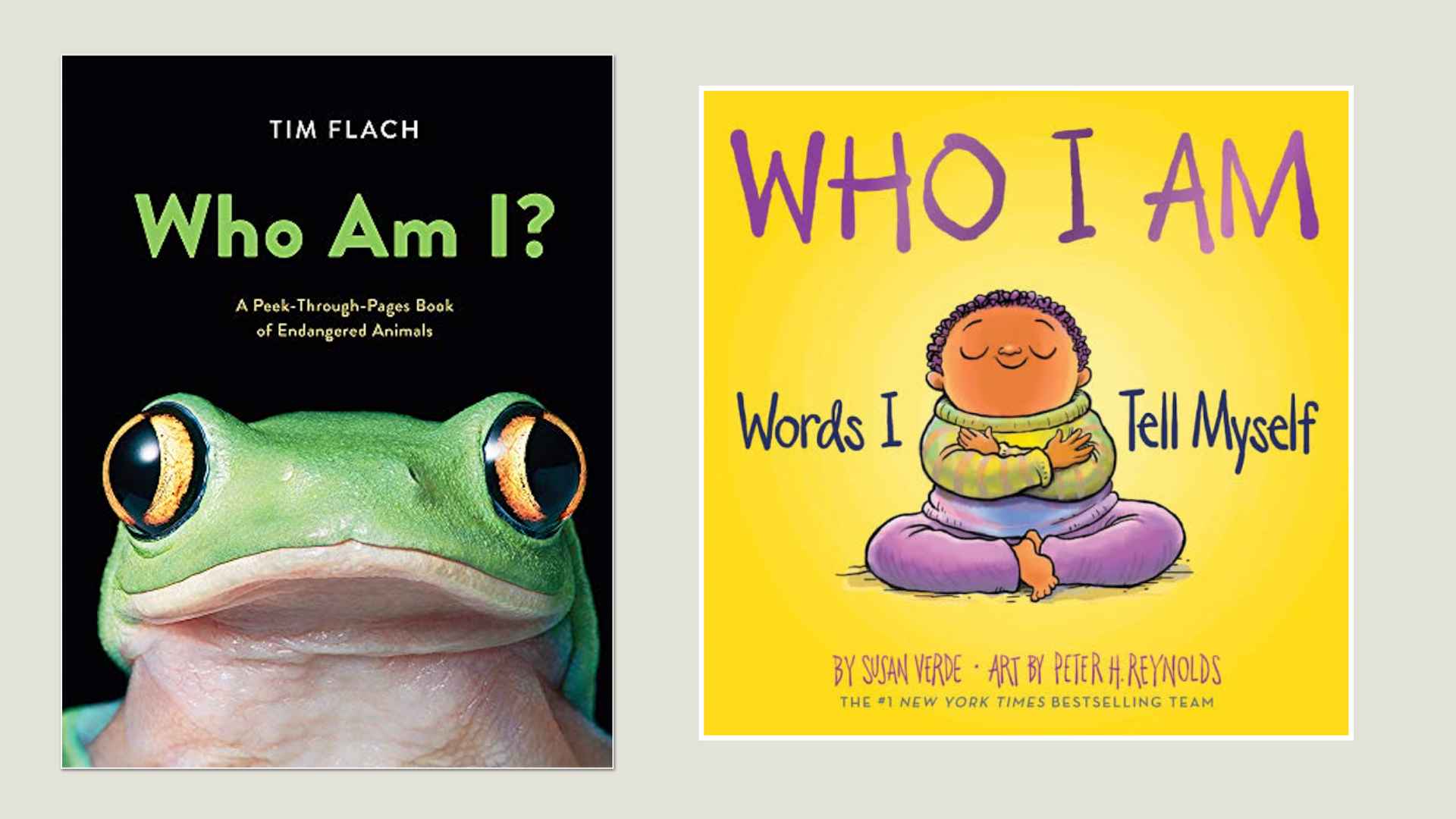
We all know how to describe the title on the left. It’s a question involving an inverted subject and auxiliary (I am → am I).
But what about the title on the right? Well, that’s a fascinating little piece of grammar called a wh-clause. Unlike inverted questions, it never seems to get the spotlight.
This is not an obscure grammar point. In the British National Corpus, “who I am” is about twice as common as “who am I.”
So what can wh-clauses do and where do we find them? To answer that, here’s a challenge for you and your students:
✍️ Make a list of other possible book titles that include the words “who I am.” You can invent them. Can you get to 12?
🫣 No peeking below!
↓
↓
↓
↓
↓
↓
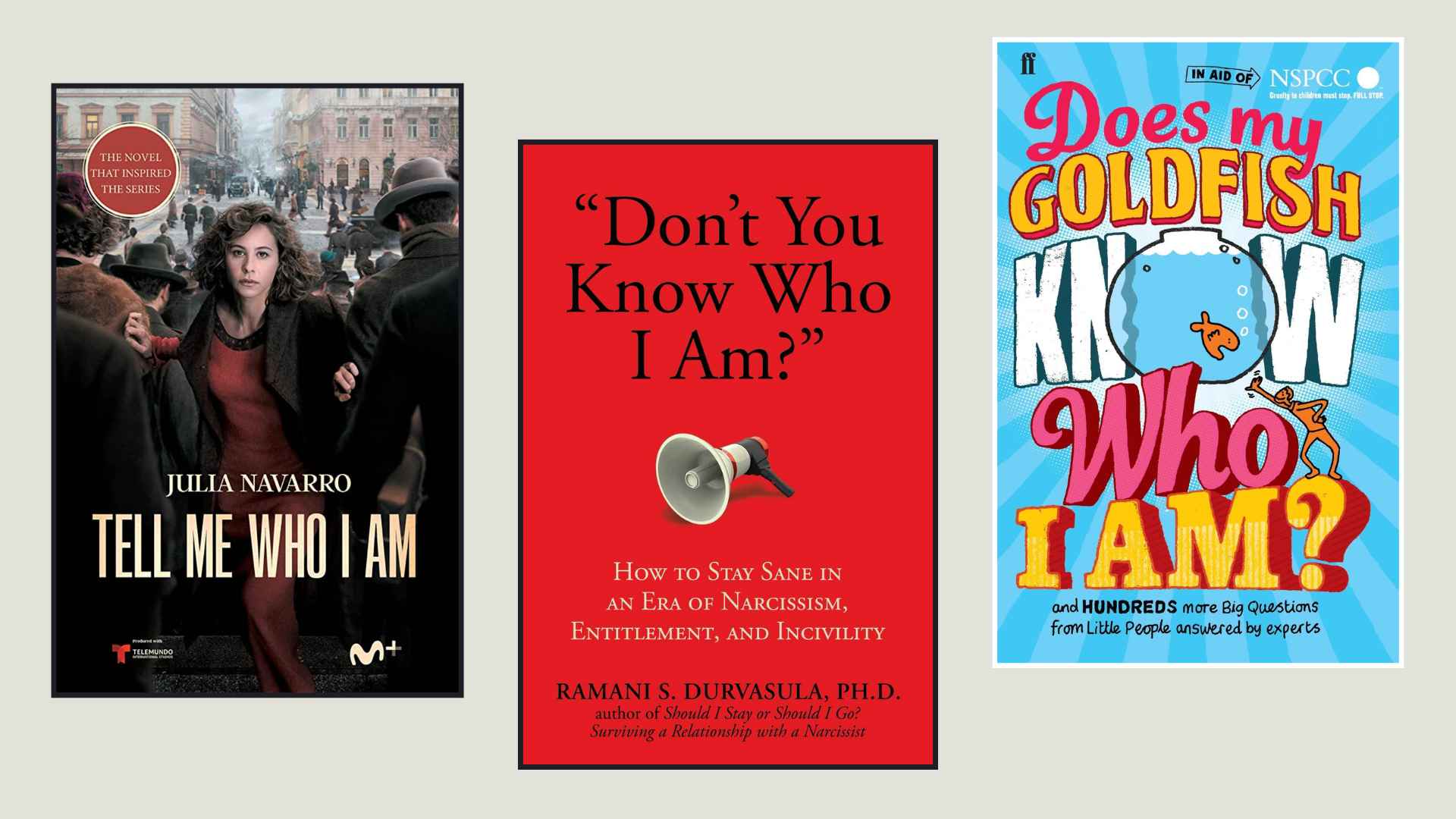
Now here are some actual titles that show the wh-clause in use:
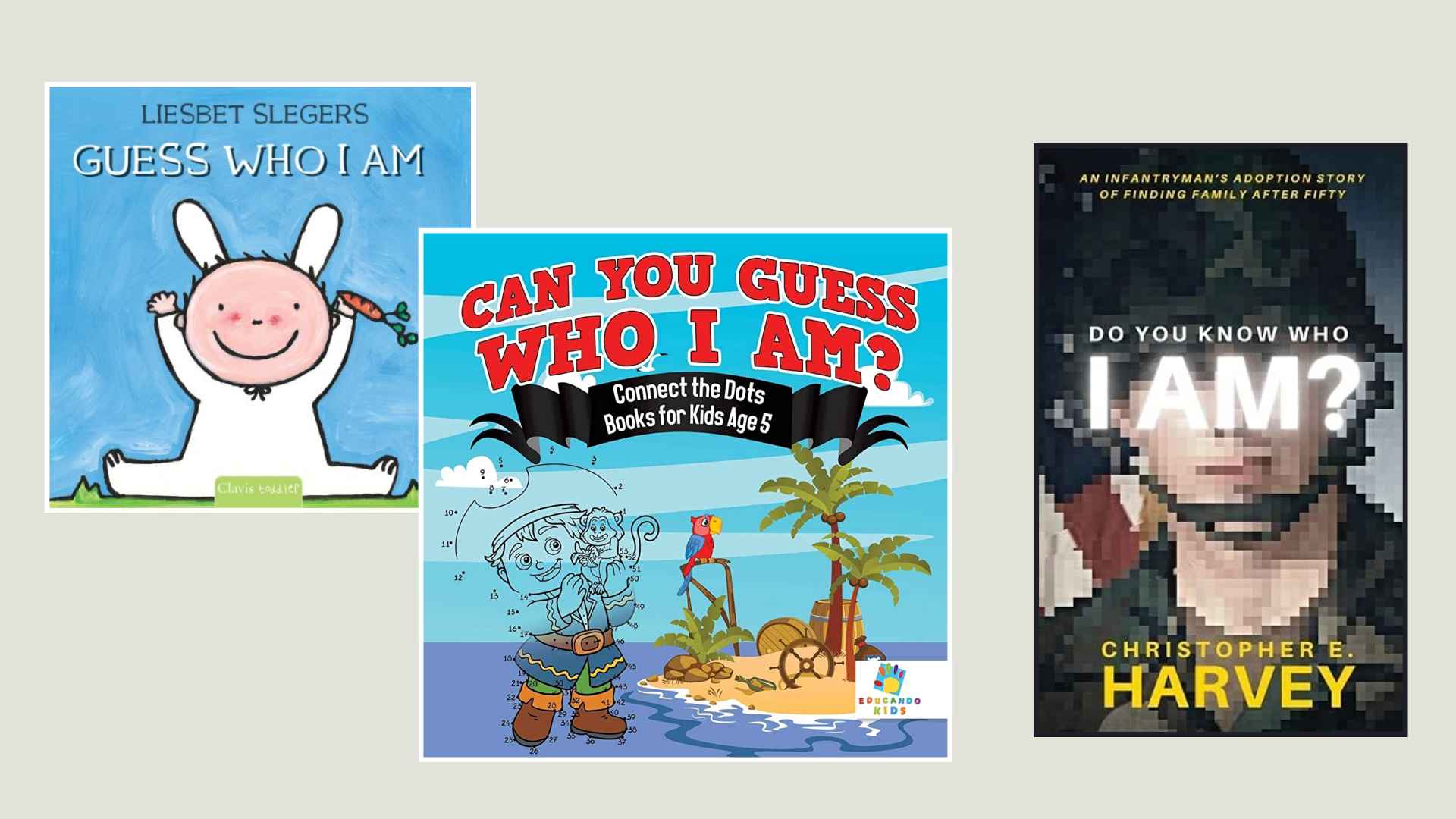
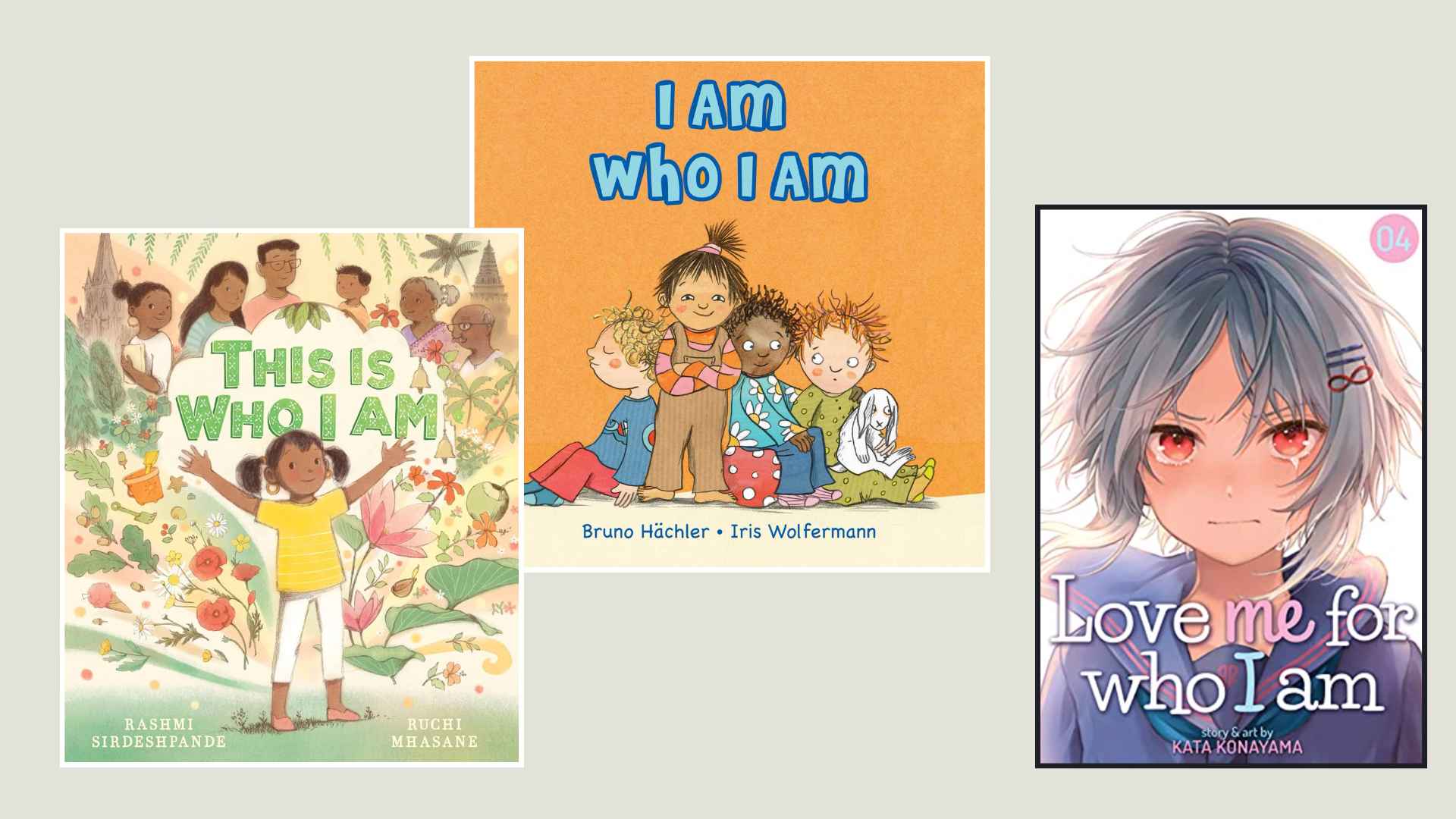
Guess who I am
Can you guess who I am?
Do you know who I am?
Tell me who I am
Don't you know who I am?
Does my goldfish know who I am?
This is who I am
I am who I am
Love me for who I am
About wh-clauses
After showing students the book covers/titles, clarify what wh-clauses can do:
1. They often follow verbs of knowing, finding out and asking (know, guess, tell, wonder, ask, discover, realize, remember, forget, learn, see).
2. They offer a way into:
- Indirect questions (with question mark): Can you tell me where the Cathedral is?
- Embedded questions (without question mark): I wonder where it is.
- Reported questions: She asked where it was.
3. Wh-clauses can also be used as subjects and objects.
- Subject: Why she left is a mystery.
- Object: Tell me how it works.
I hope you and your students enjoy this idea.
Thank you for visiting my blog,
Jamie
📚 Book covers are perfect for teaching grammar. They provide short, complete, visually enhanced texts made meaningful by the stories they contain. Please look out for Grammar Titles, a new series later this month – just sign up for my newsletter below.
Sign up to the LessonStream Post and get fresh ideas for teaching with video, image and story – straight to your inbox. I'll also send you my ebook – Seven Ways to Curiosify Your Students