The eternal triangle
Oct 04, 2025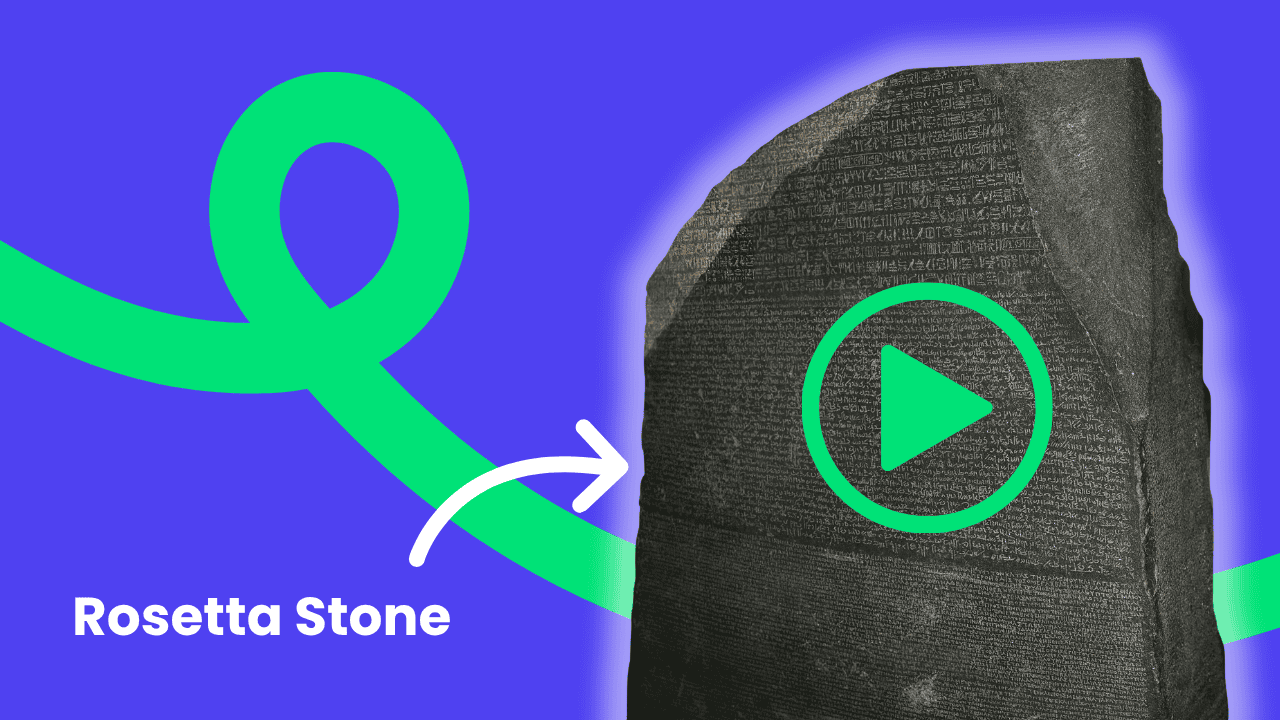
The importance of not outsourcing our teaching jobs to video
Rosetta Stone
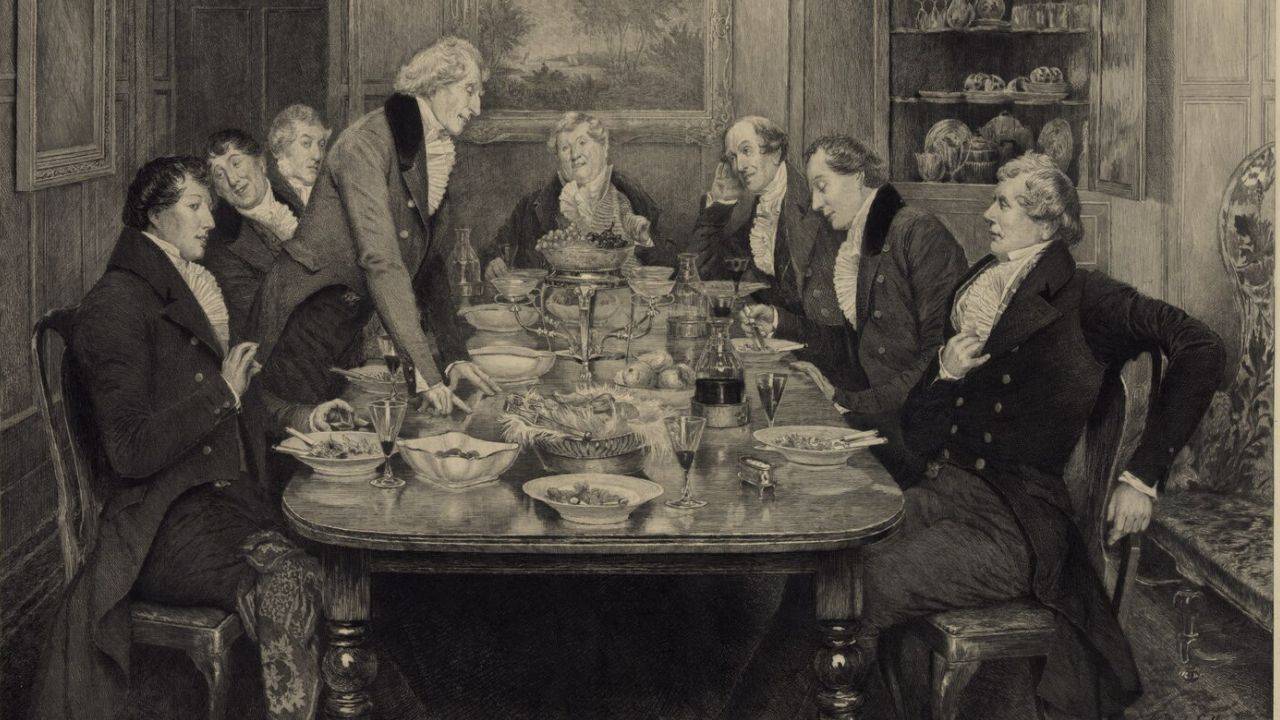
A few years ago, I was at the British Museum in London and thought I should go and have a look at the Rosetta Stone. Unfortunately, it was completely blocked by a scrum of schoolchildren. But rather than being noisy and disorderly, as you might expect, they were surprisingly engaged.
This was not because of the exhibit itself. It was because of the guide speaking with them. By sharing her enthusiasm and involving the children, she kept them interested and held their attention. The Rosetta Stone, on the other hand, did nothing. It just sat there in silence.
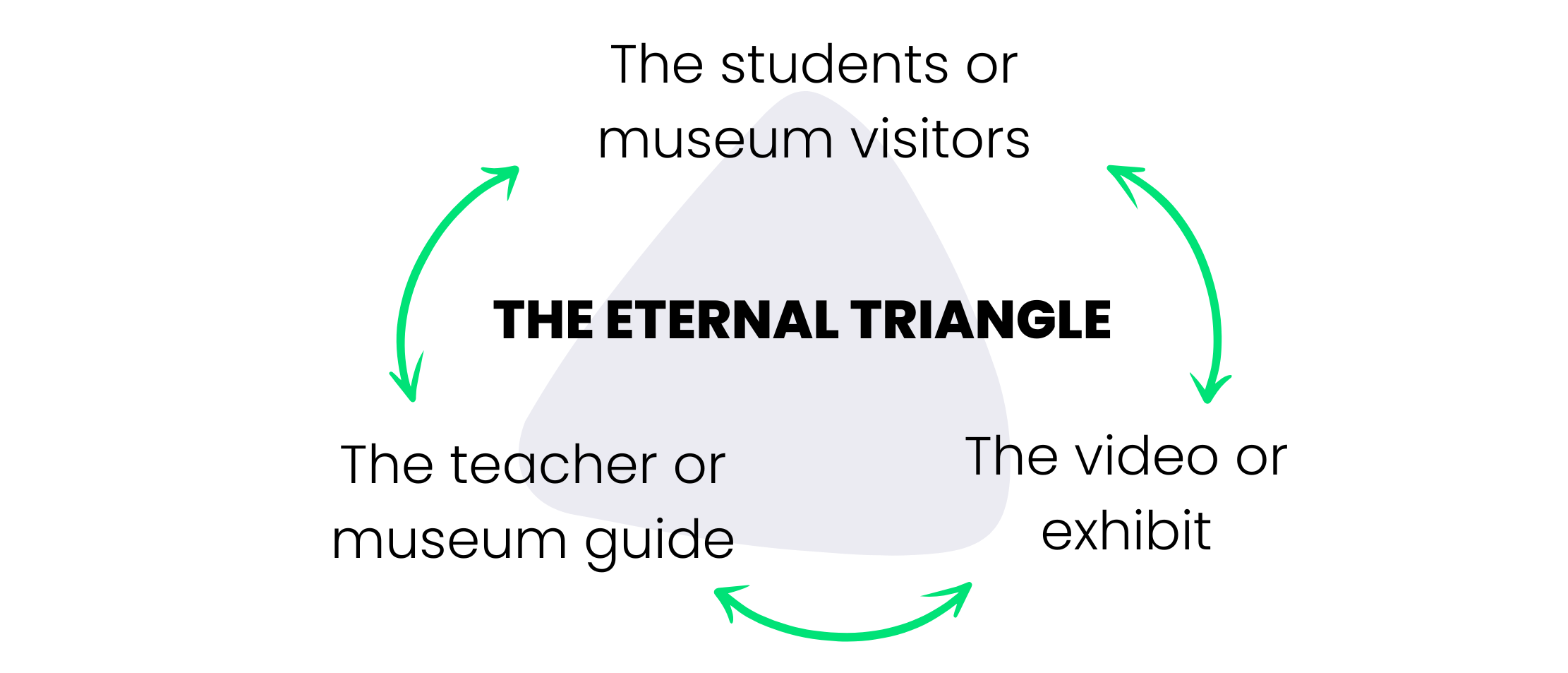
I always think about this image when I consider the 'eternal triangle' – an idea that teacher trainer Rod Bolitho introduced in 1990. His paper explores the interconnected relationship between teachers, learners and materials, arguing that teachers should not simply deliver materials but should play a central role in shaping learning experiences.
Teaching with video
Unlike the Rosetta Stone, video does not sit silent. It’s loud and flashy and fights for attention. Understandably, it can be tempting for teachers to press play and hope that the video will initiate some sort of discussion. Unfortunately, it doesn’t work like that.
Even so-called ‘active viewing’ techniques (see below*) can result in little, if any, language production from students if not set up and managed correctly. It can be too easy to generate curiosity but fail to exploit it for the intended purpose – getting students to express creative ideas.
Setting up any video activity requires attention to detail and careful consideration of questions such as
- How do I introduce or contextualise the video?
- How do I engage students with it?
- How do I personalise the narrative for my students?
- What questions do I ask?
- What instructions do I give to set up the task?
- How do I maintain the human connection?
- How do I create a safe and supportive environment where students feel comfortable sharing their ideas and opinions?
Enhance, not hijack
Teaching involves keeping students curious and motivated – immersing them in meaningful language and providing real reasons to communicate, explore ideas and develop fluency. Video should enhance the experience, not hijack it.
To put it as simply as possible: if we want to create compelling learning experiences for students, we have to be prepared to get involved. Or, as Rod Bolitho might put it, a video in combination with the teacher is a far more powerful resource than the video alone.
* For more on active viewing, see the following posts:
- Transcript first (Click here)
- Audio first (Click here)
- Back-to-the-screen (Click here)
Taking Video Apart
In the introductory unit of my new course, we explore another eternal triangle: parent, child and picture book.
Picture books offer a great way to illustrate how multimodal storytelling works and provide a practical way into video.
Reference
Bolitho, R. (1990). An Eternal Triangle? Roles for Teacher, Learners, and Teaching Materials in a Communicative Approach. In S. Anivan (Ed.), Language teaching methodology for the nineties (Anthology Series 24). SEAMEO Regional Language Centre.
Sign up to the LessonStream Post and get fresh ideas for teaching with video, image and story – straight to your inbox. I'll also send you my ebook – Seven Ways to Curiosify Your Students