One song, three stories
Jul 09, 2026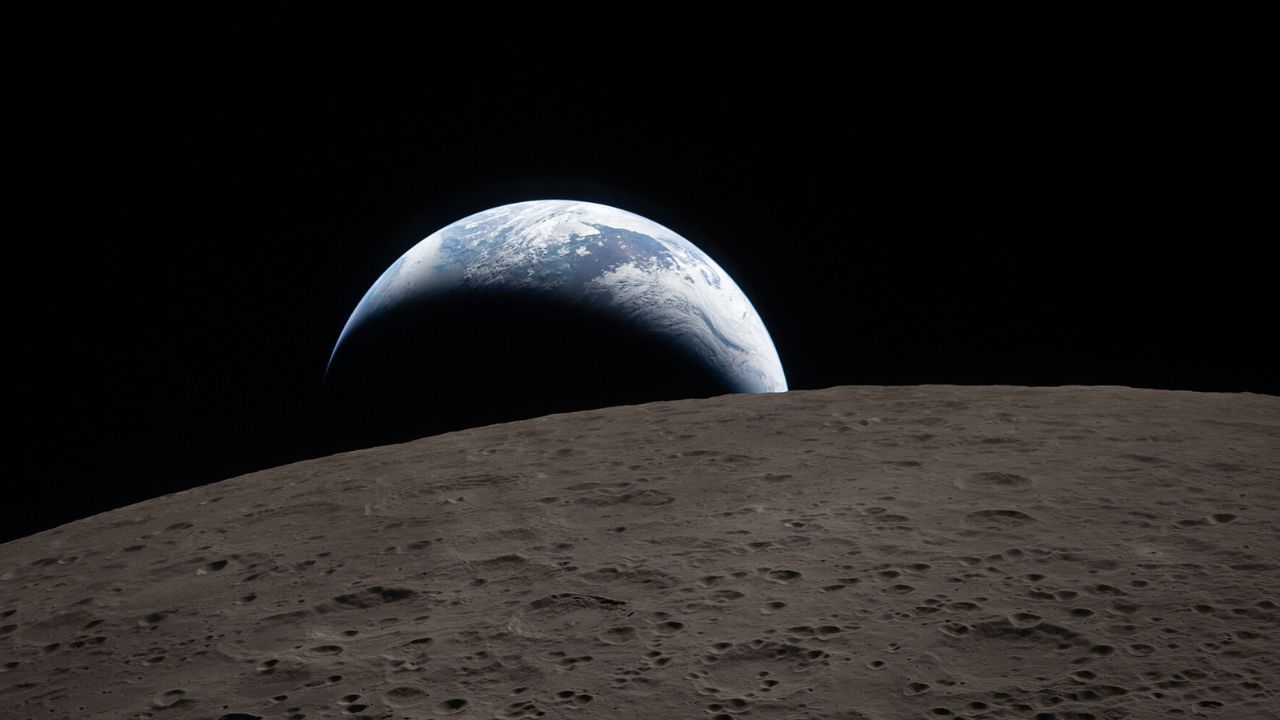
An excerpt from my new handbook for English language teachers ...
For the last couple of weeks, I have taken some time off to focus on my new book – a storytelling handbook for teachers. Here is an excerpt.
Stories from a song
Once upon a time, a lone astronaut was launched into space. The first stages of the mission were a success with the astronaut completing a solo space walk. But soon afterwards, a malfunction in the spacecraft occurred and all radio contact was lost with ground control on the Earth below. To this day, no one knows what happened to Major Tom, at least that’s what my dad told me.
I remember this story from a car journey some time in the late 1970s. I don’t remember where we'd been or where we were going, but it was just me and my dad. I was old enough to sit in the front seat and the radio was blasting. As far as I can remember, this was the very first time I heard David Bowie’s Space Oddity and my father, who has always been passionate about pop music, explained what it was all about.
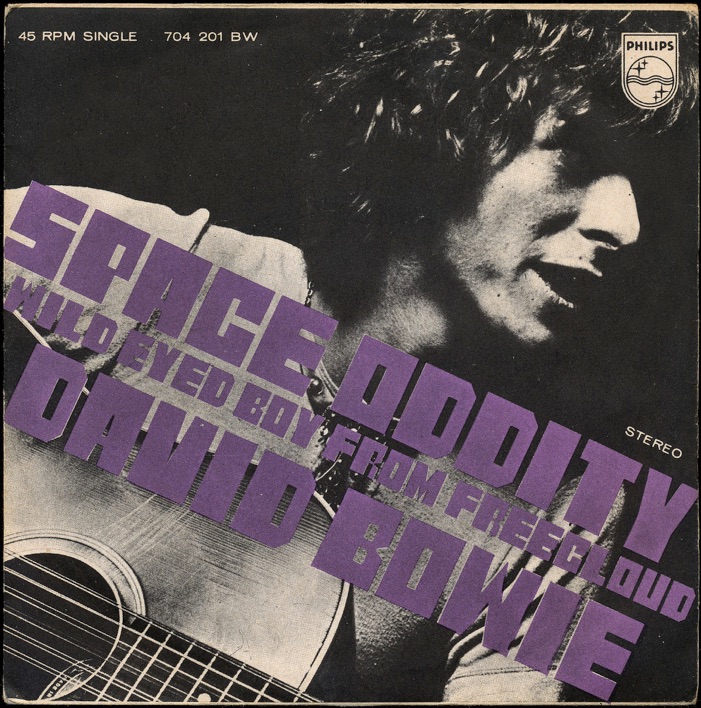
That may also have been the first time my father told me about his own recollection of the Apollo 11 moon landings in 1969, three years before I was born.
He was at home with his family watching the BBC’s coverage of the event. Everyone was gripped by space race fever except his disgruntled grandmother who was convinced it was all nonsense as the moon was made of green cheese.
To this day, whenever I hear Space Oddity, these are the memories that I connect with.
Three story levels
Like any piece of authentic material, a song is an artefact. And like any artefact, there are three levels or perspectives we can work with and use in our teaching.
1. The material itself
This is, without a doubt, the most obvious place to start. In the case of a song, the story comes from its lyrics. In the case of a news article, the story is provided by the journalist's words. In the case of a photograph, it's the visual narrative – what's going on in the picture.
2. The personal connection
As teachers, we are curators. It is our job to select materials that will engage students. One of the most effective ways to get their attention is to tell them the story of your own connection with the song, the book, the short film, the piece of art, etc. This is important contextual information that would be expected in any show and tell. When using Space Oddity in class, I would tell students about that car journey. Of course, it does not have to go as deep as that – a quick mention of how you found the material, or how it found you, can be enough to satisfy expectations.
3. Stories behind the material
Space Oddity was released in July 1969, just a week before the first moon landing. With the danger of the Apollo 11 space mission on everyone's mind, the BBC were uncomfortable with this song about a malfunctioning spacecraft and an astronaut who drifts alone into space. They made the decision to ban it. However, no one communicated the ban to the team working on the Apollo 11 television coverage, who decided to play it as background music. Once the crew landed safely back on Earth, the ban was lifted and Space Oddity went on to become one of Bowie's best-known songs.
👉 Read the full story at the BBC website
Stories are everywhere. They are in the lives we live, the places we visit and the people we meet. They are also in our teaching materials.
As teachers, it can be too easy to outsource our job to materials. We distribute texts for heads-down reading. We play songs, short films and viral videos. But in a communicative classroom, the best stories come from the people in the room. Rather than going straight to a text – a song such as Space Oddity for a listening gap fill, for example – we can begin by telling the story ourselves. In this way, the teacher uses storytelling to mediate materials for students, rather than letting materials do the storytelling for us.
Only by demonstrating what is possible and providing good models of storytelling can we expect students to do the same. Imagine a classroom open mic where everyone brings along a song and tells a story behind it. Doesn't that sound more compelling than another lyrics gap fill?
Video & Story
If you would like to explore the ideas in this post, the LessonStream mini course – Video & Story – is the perfect place to start.
Jamie
👉 Find out about Video & Story
Sign up to the LessonStream Post and get fresh ideas for teaching with video, image and story – straight to your inbox. I'll also send you my ebook – Seven Ways to Curiosify Your Students