Off-piste teaching, anyone?
Dec 02, 2025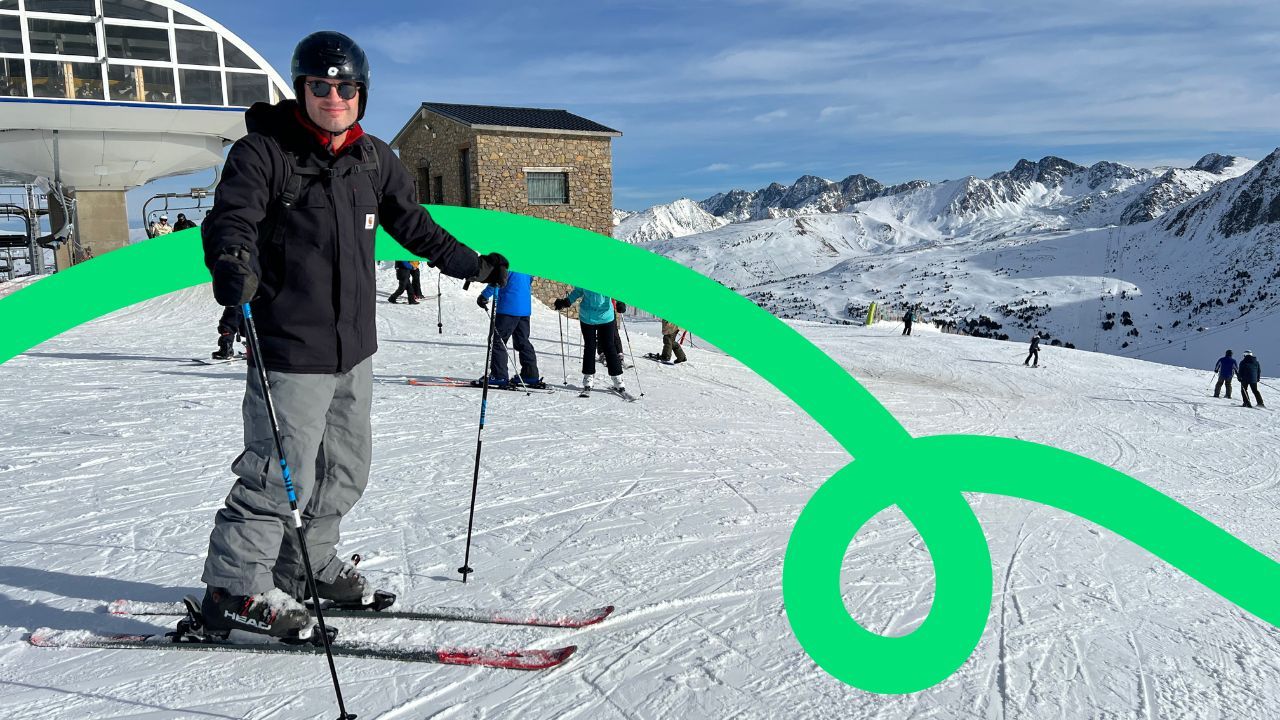
Exploring a winter sports metaphor in classroom teaching practice
Off-piste skiing
I can’t claim to be much of a skier. I learned to ski at Hillend Ski Centre in Edinburgh – the UK’s longest dry ski slope – and have only skied on snow twice in my life. (The photo above shows me in Andorra in December 2022.)
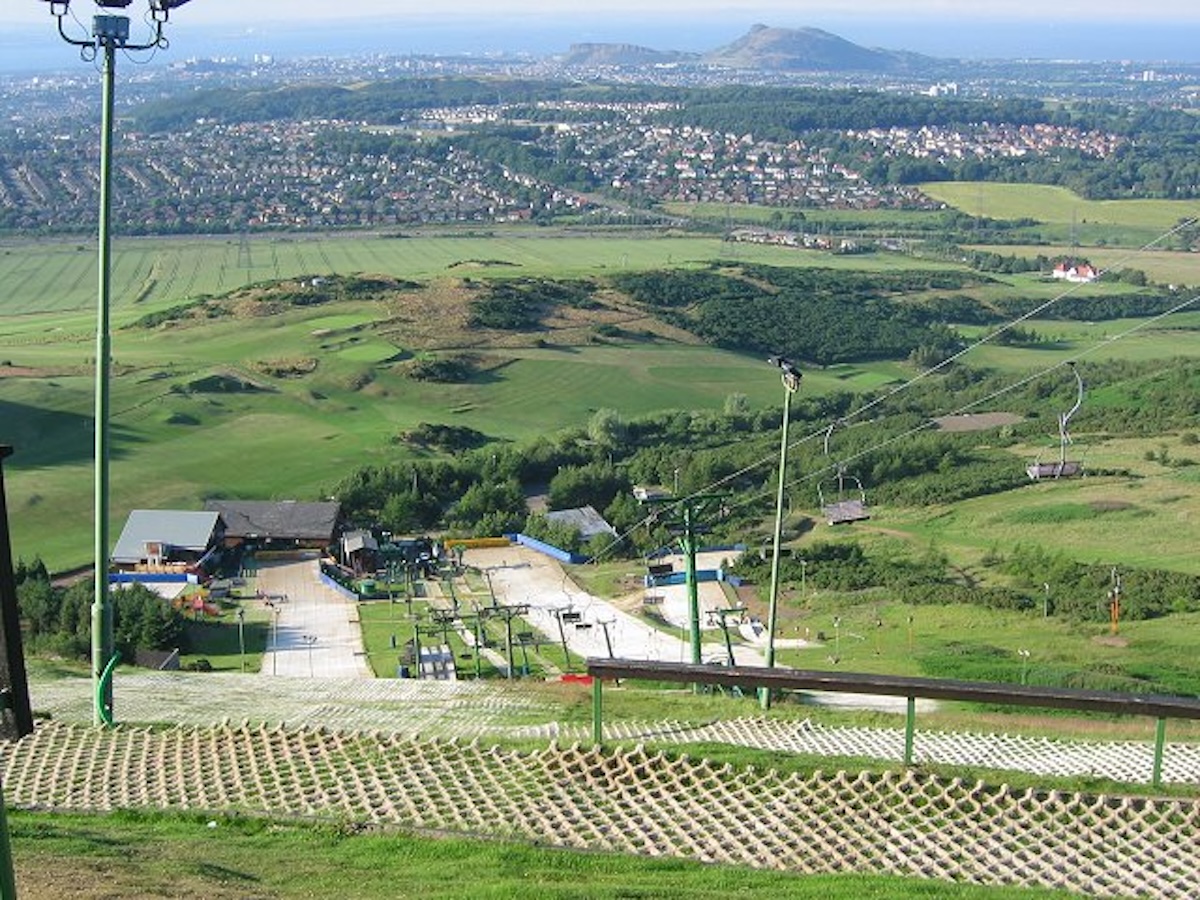
Hillend Ski Centre in Edinburgh
(now called Midlothian Snowsports Centre)
Unsurprisingly then, I have never tried off-piste skiing.
To explain, a piste is a borrowed French word meaning ski slope. Pistes are designated skiing areas.
On the other hand, going off-piste means leaving those marked runs and heading into the wild parts of the mountain.
The pistes are generally safer. There are no hidden rocks or sudden cliffs. There are chairlifts to carry you back up, and if you have an accident, medics are usually close by.
On the other hand, going off-piste is generally more dangerous and demanding. You may run into unexpected problems such as an avalanche.
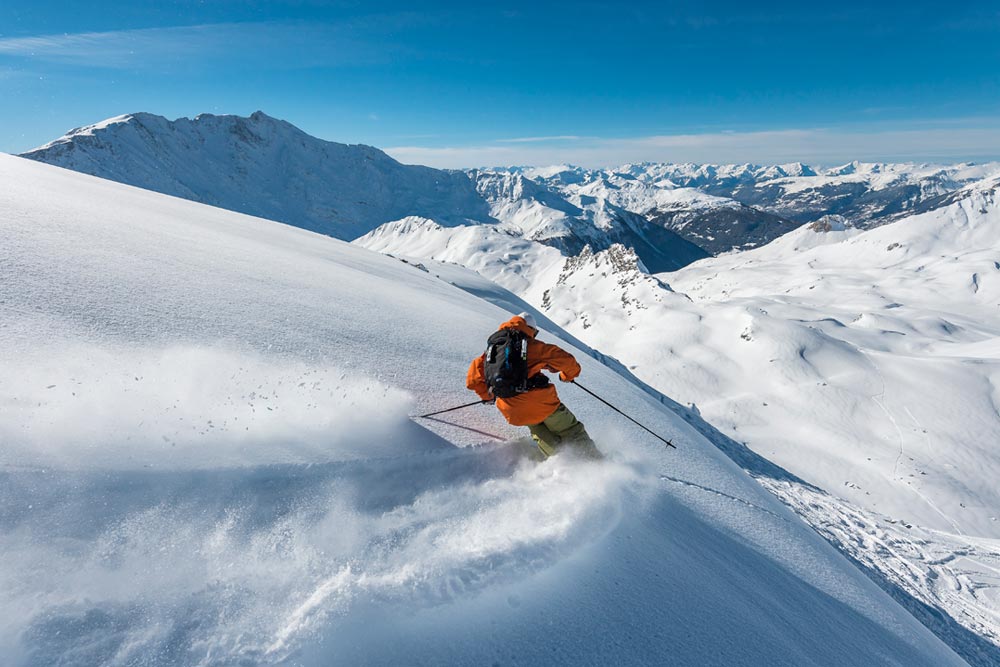
So why would anyone choose to leave the safety of the piste?
Well, just imagine how exhilarating it could be: the untouched snow, the freedom to choose your own path, the silence of the mountain, the beautiful views.
Off-piste skiing is more demanding, but for the adventurous, it offers the biggest rewards.
A metaphor
Teachers and students need structure, purpose and security. For this, we hold onto certain things: the course book, the curriculum, the grammar syllabus. These are our pistes: they keep us safe and provide us with direction.
But with experience and a sense of curiosity, most teachers will, at some time, leave these things behind and go in search of something more meaningful.
Consider what off-piste teaching means to you. Perhaps it’s Dogme teaching. Or maybe it's about leaving the course book behind and experimenting with new methodologies, techniques or authentic materials.
Mindsets and responsibilities
Whatever the piste is for you, there will be times when you stick to it and times when you leave it behind. In other words, on- and off-piste teaching are not mutually exclusive.
Importantly, going off-piste means leaving behind some of the mindsets we might rely on. To give an example, on my courses, which focus on video and storytelling, I encourage participants to stop looking for neatly packaged grammar points – the kind we might associate with course books.
My courses also show you how to take a materials-light approach to teaching: although a short video is an important part of the lesson, it’s the people, the connections and the communication that take the spotlight. This may require a shift in focus to emergent language – language that comes from students.
Finally, we have responsibilities. As teachers, we are leaders and that role extends to the mountains. When we choose to go off-piste, we have to consider those who follow us – our students:
- Do we warn them about our plans to go in a new direction?
- Do we explain our intentions (i.e. basic pedagogical reasoning)?
- Do we ask for their feedback and let this inform our decisions?
Thank you for reading. Go safely ⛷️
Join my free mini-course
If you’d like a gentle way to explore this kind of teaching, I’ve created a free mini-course called Video & Story. It lets you experience a complete lesson as your students would, and then take away the insights you need as a teacher.

Sign up to the LessonStream Post and get fresh ideas for teaching with video, image and story – straight to your inbox. I'll also send you my ebook – Seven Ways to Curiosify Your Students