Muffin's ghost
Nov 02, 2025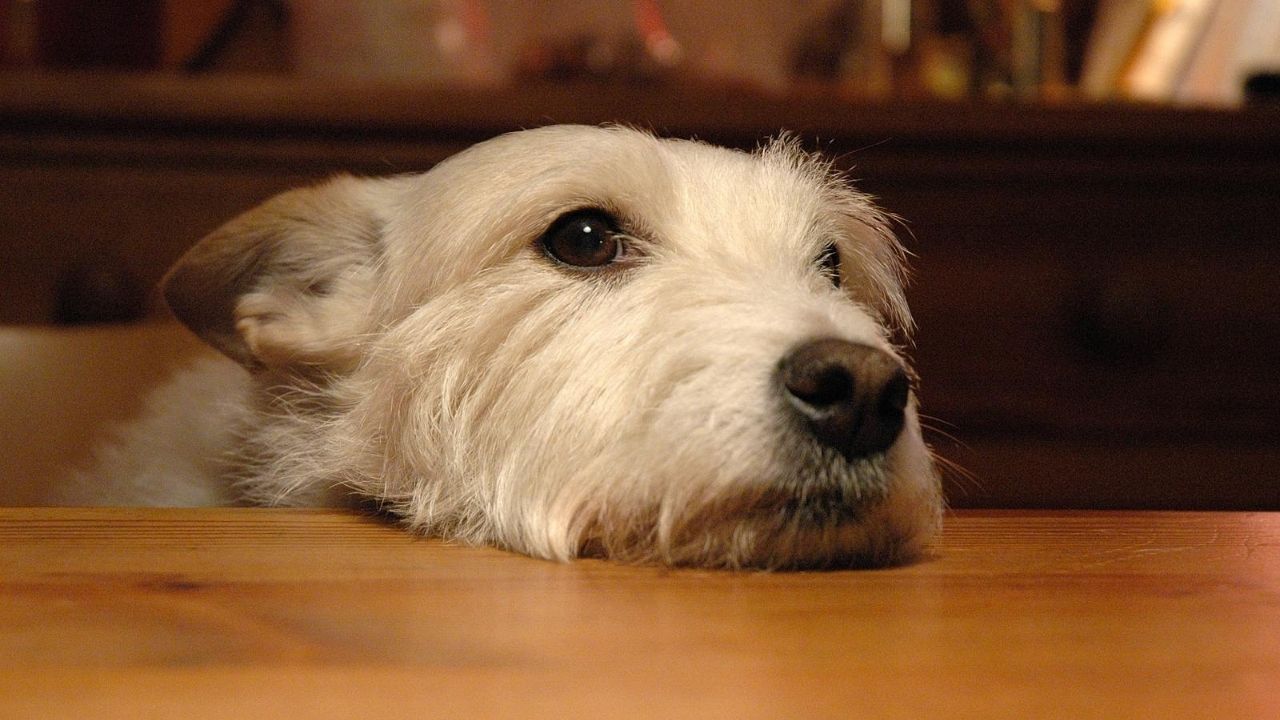
Exploring causality with a ghost story and my 5-year-old nephew.
My mum's best friend
We used to have a dog called Muffin. She was a sweet little creature with wisps of white fur and big black lovely eyes.
Although Muffin was a family dog, she was most devoted to my mum. They had a special relationship: Muffin was my mum’s best friend. My mum was Muffin’s favourite human.
But when she was 13 years old, Muffin became ill and, inevitably, had to be put down. My mum was heartbroken. I remember her coming home from the vet carrying an empty blanket, wondering how she would readjust to life without her little companion.
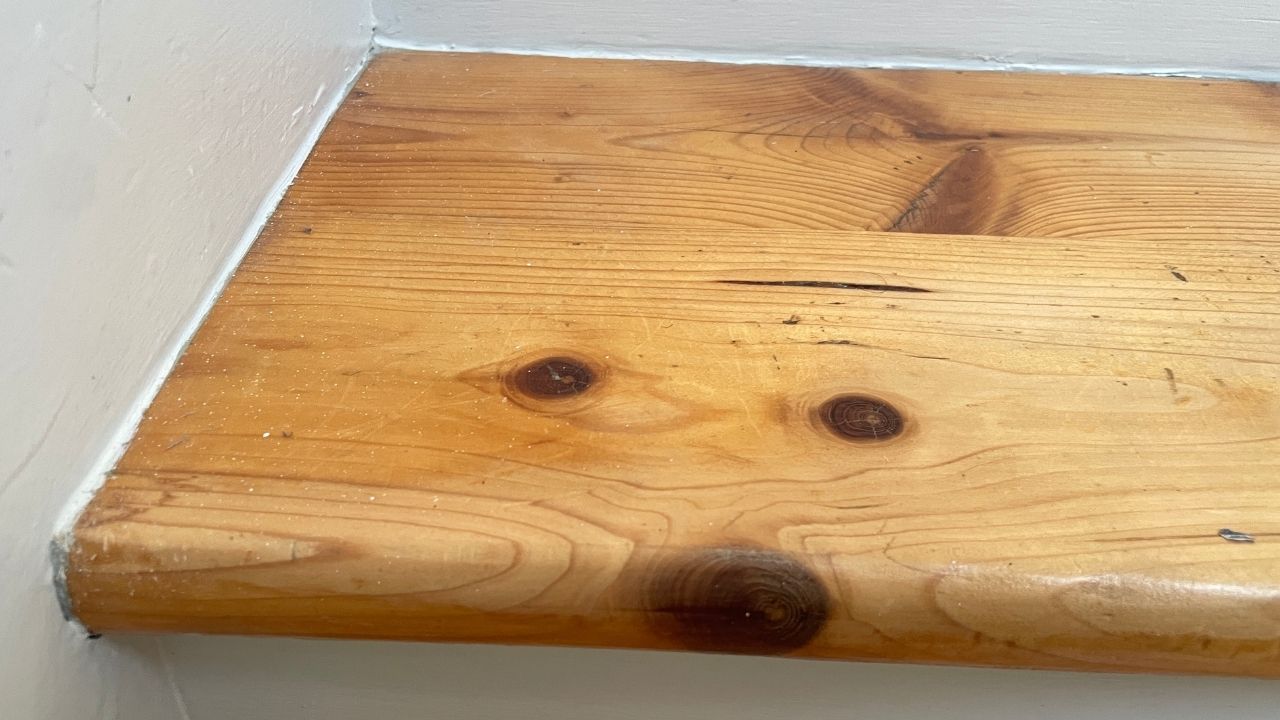
That evening, as she was going upstairs on her way to bed, something caught my mum’s attention – something she had never noticed before. On the second-to-last stair, something in the wood looked strangely familiar.
Could it be possible? Had Muffin come back?
My nephew
Recently, my five-year-old nephew has become obsessed with this story. He has a sharp, inquisitive mind but just can’t get his head around the ending.
‘So, Granny saw Muffin in the stairs the same day she died?’
‘Yes’
‘But Uncle Jamie. Why is that spooky?’
Creatures of semantics
The exchanges with my nephew show just how much meaning we might build into a story like this – without realising.
Stories don’t just happen. They are how we make sense of reality and experience – our way of finding order in the chaos. And for my story to work, there are two key meanings that I make:
1. Interpreting Muffin’s face in the wood
From birth, we are sensitive to recognising face-like patterns in our surroundings. We see them in clouds, in rock formations, in the moon. As the following video demonstrates, all you really need are two dots.
Unsurprisingly, then, my nephew has no problem with this part of the story.
2. Creating a cause and effect
Causality is fundamental to storytelling. In the case of my family ghost story, I imply a cause and effect – that Muffin’s death is somehow linked to her face appearing in the wood. In doing so, I invite the listener to arrive at some sort of paranormal conclusion.
But my nephew refuses to go down that spooky route. He insists on a rational explanation. For him, the face was always there in the stairs – we just hadn’t noticed it before. And when I try to explain why some people might interpret it in other ways, it takes the discussion to ridiculous places.
‘But why is that spooky, Uncle Jamie?’
‘Well, some people might decide that when Muffin died, her ghost flew back to our house and somehow rearranged the knots in the wood so that she could live there and look over us.’
‘But one of her ears is missing.’
Final thoughts
I genuinely can't decide if this cause and effect aspect of the story is too subtle for a five-year-old to appreciate. Or perhaps my nephew has a particularly strong rational side which makes him resistant to his uncle’s nonsense.
One thing I can be sure of, however, is despite our many discussions about Muffin and her ghostly apparition, my nephew never once questioned the storyteller’s account of the facts. As far as he was concerned, his uncle was telling the truth, the whole truth and nothing but the truth.
He’ll learn.

Sign up to the LessonStream Post and get fresh ideas for teaching with video, image and story – straight to your inbox. I'll also send you my ebook – Seven Ways to Curiosify Your Students