Image and curiosity
Nov 23, 2025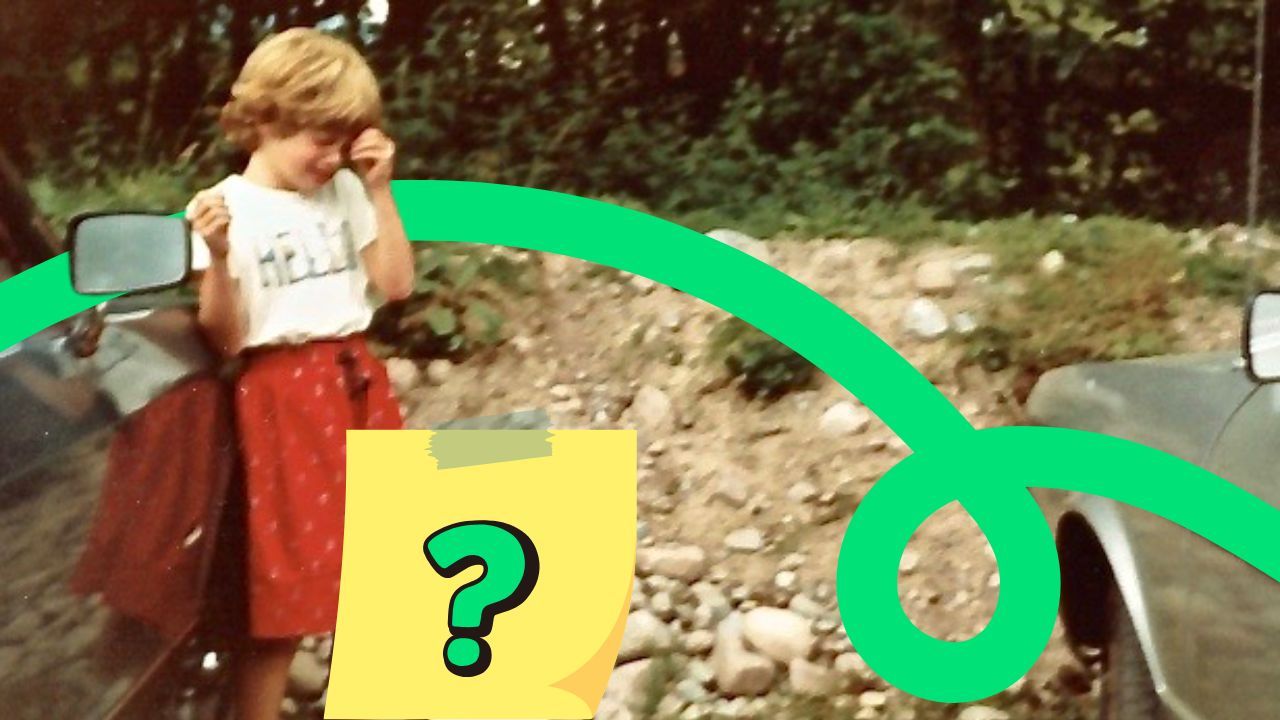
When using images, curiosity alone is not enough. The true resource is the story.
Crops and cover-ups
Every summer, I run my Video, Image and Story course at Norwich Institute for Language Education in the UK.
One of the tasks I set trainees is to create an activity from a personal photograph. And one of the most popular techniques involves cropping or covering up parts of the picture.
(Apologies to my little sister Susie for using a 1983 family photo to demonstrate this.)
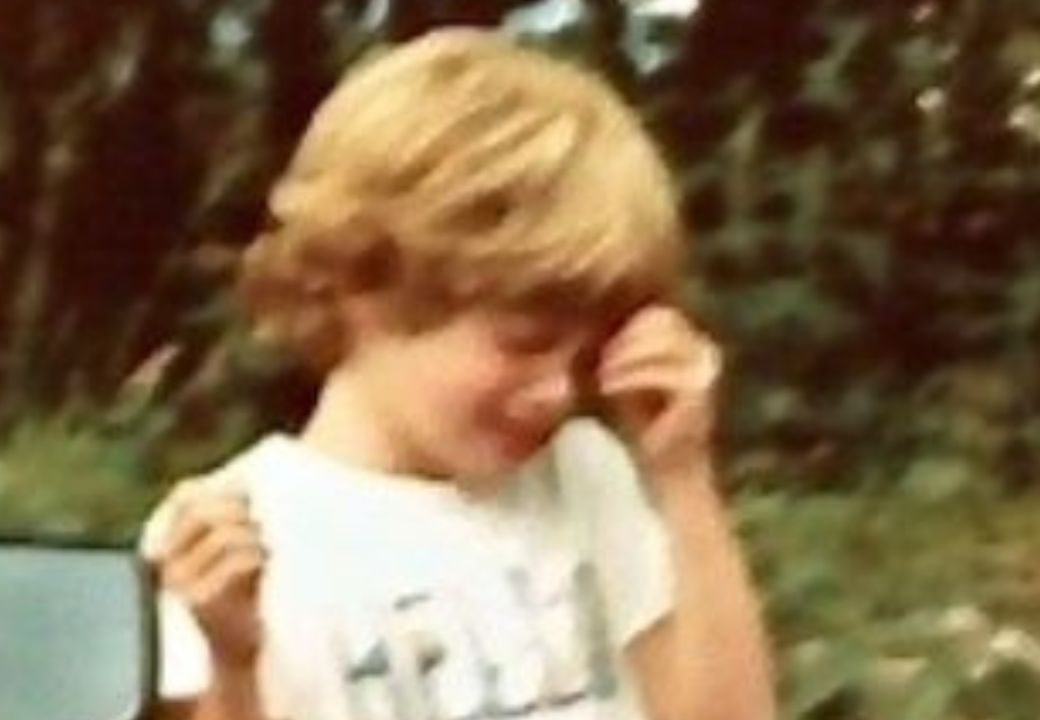
A crop: Can you guess what is happening in the rest of this photo?
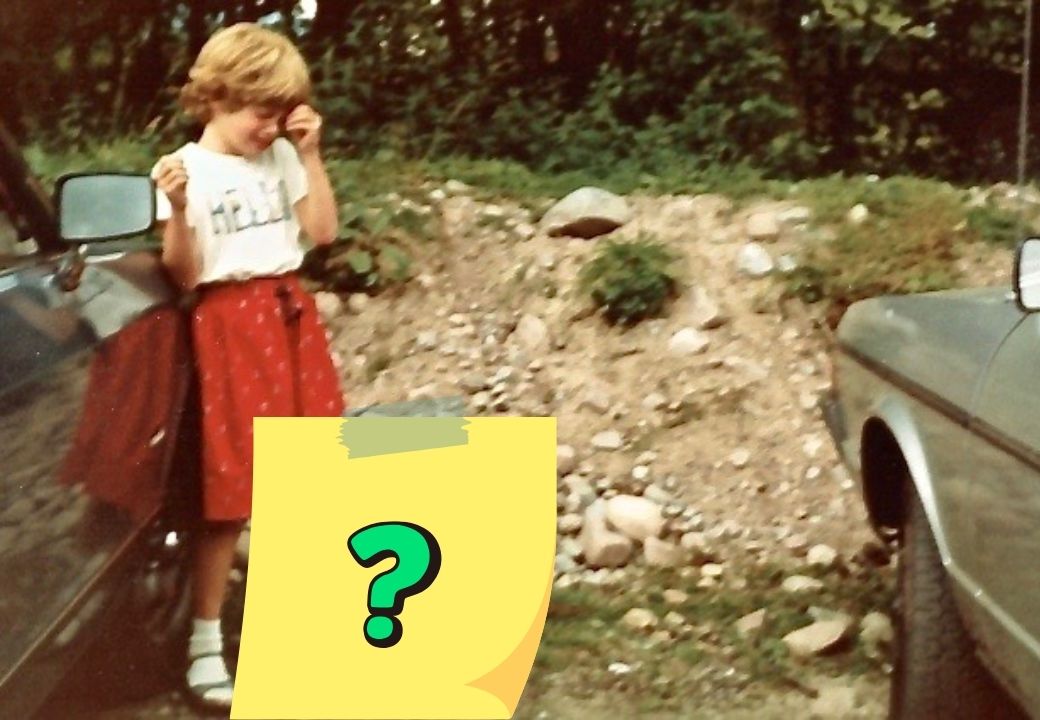
A cover-up: What’s going on here? Can you guess what's under the Post-It note?
These classic information gap techniques never fail to spark curiosity in students. But there is a little problem – one I have experienced many times as a teacher and observed as a trainer.
The problem happens like this: Students are curious about the image but have few ideas to express. The teacher keeps pushing, the room goes awkwardly silent, and eventually the teacher gives up and reveals the full image.
Picture-telling
There is a mantra on my course that goes like this: Always consider withholding the image.
In this case, I don't mean selectively withholding parts of the image. I mean withholding the whole image and communicating it as a storyteller would – a technique I refer to as picture-telling:

A picture-telling activity starts with the teacher standing at the front of the class with an image in hand. The image can be in a book, on a postcard, displayed on a mobile device, etc. It is important that the students cannot see the image but know that it is there.
The teacher then describes and/or tells the story behind the photograph. The secret to successful storytelling activities like this is to prepare your script beforehand.
A picture-telling script
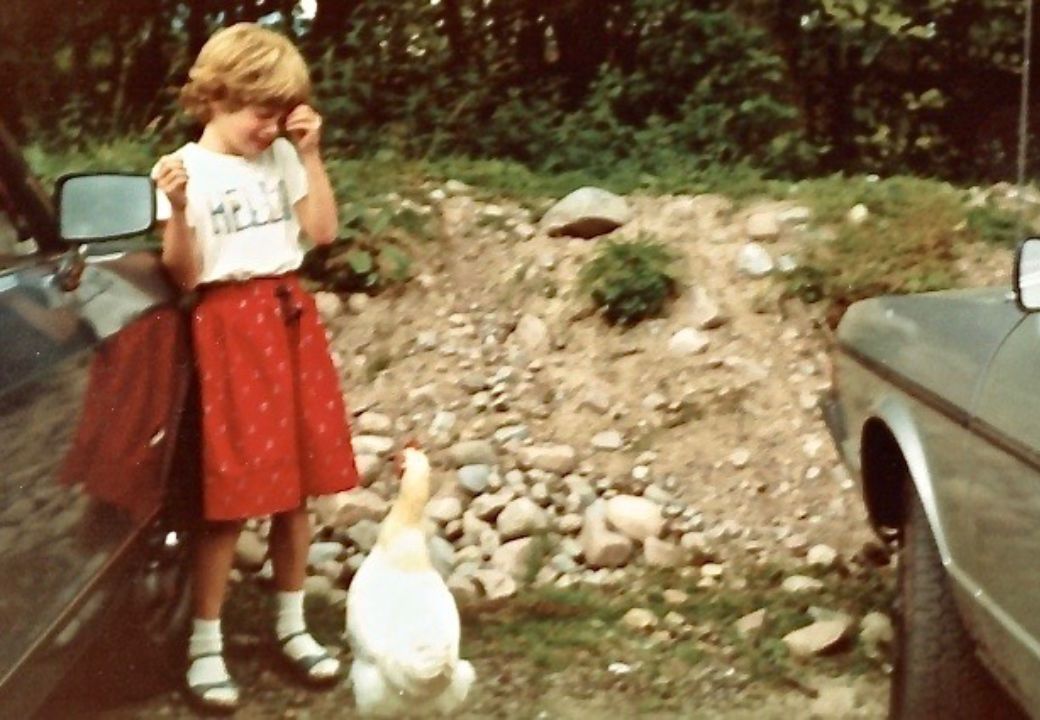
It was July 1983 and I was 11 years old. I was on holiday in France with my family: my mum and dad, my 9-year-old sister Susie, and my baby brother Alastair.
That summer, I was getting into photography. I had a new camera and I was taking photographs of everything I saw. It was my new hobby.
Now, there was one day during the holiday when we were walking through a village. And in the village square, there was a large chicken.
Suddenly, for no apparent reason, the chicken ran towards my sister and cornered her. For my little sister, this was a terrifying situation. She thought that the chicken was going to attack her and she started to cry.
For me, this was my big opportunity – my entry into the world of photojournalism perhaps? As quickly as I could, I took out my camera and took a photograph of the scene.
It’s now forty years later and my sister still hasn’t forgiven me.
The true resource
When using a photo like this, grammar-centric thinking might lead us to use crops and cover-ups as a way to teach, say, modals of deduction.
But this is grammar teaching for the sake of grammar teaching.
The true resource behind the photograph is the story that it offers. And the image and story in combination provide a more meaningful, language rich experience than the parts of the image alone.
Here is a more detailed description of how a picture-telling activity can work:
- Withhold the whole image and tell the story first (i.e. picture-telling)
- Invite students to comment/ask questions
- Show the image (see below)
- Invite more comments and questions
- Give out copies of the picture-telling script and draw attention to key language and grammar features
- Ask students to find a personal photo from their own lives and prepare to tell the story – using your script as a model
Video and curiosity
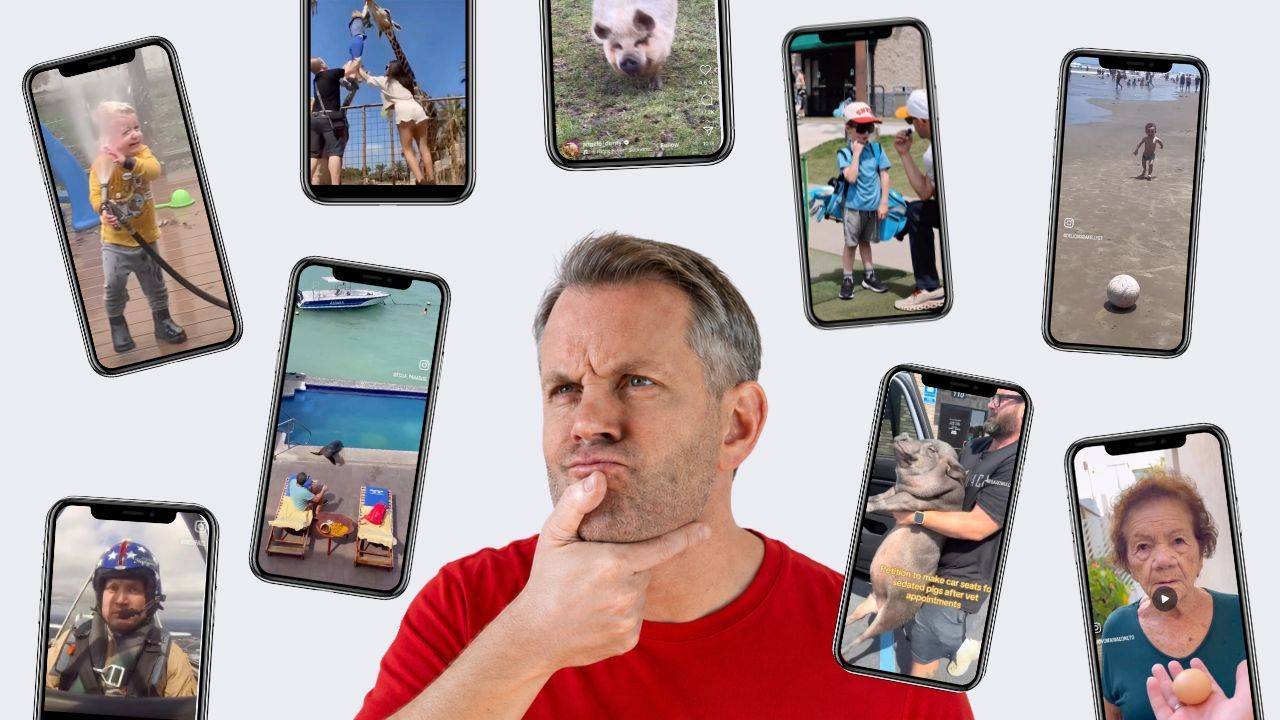
Knowing how to generate and exploit curiosity is an important part of working with video – an idea you can read about in this blog post.
It's also central to my course Taking Video Apart which has just started.
On this course, you will revisit classic ‘active viewing’ techniques and explore how to adapt them for today’s online video culture. Why not join us?

Sign up to the LessonStream Post and get fresh ideas for teaching with video, image and story – straight to your inbox. I'll also send you my ebook – Seven Ways to Curiosify Your Students