Familiar strangers
Sep 16, 2025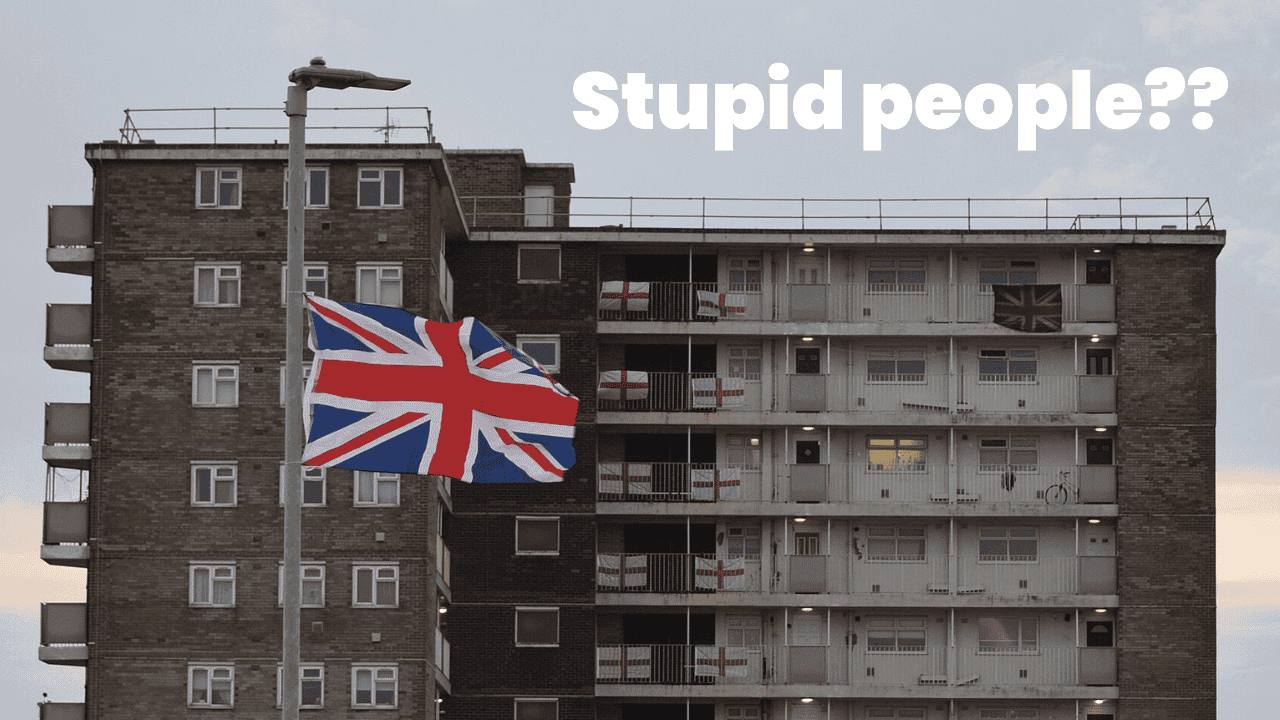
How media shapes the way we see each other – in three videos
Video one: The funniest clip in British comedy TV
In lists and polls of classic British TV comedy moments, there’s one that often comes first. It’s a clip from a BBC sitcom called Only Fools and Horses, which ran from 1981 to 1991.
The scene takes place in a London pub on a Saturday night. Del Boy – the main character – and his friend Trigger are out on the pull (i.e. looking for ladies). They are standing at the bar, pints in hand, when Del Boy makes eye contact with a couple of attractive young women sitting at a table.
These women are completely out of their league. But that doesn’t put Del Boy off. He tells Trigger that the secret to their success is to play it cool.
Then this happens:
I once heard British comedian Stewart Lee making fun of this being the UK’s favourite comedy moment. His point was that it demonstrates how simple the British people are.
However if you find yourself agreeing with that, it is possible that you aren’t familiar with Only Fools and Horses. The show was critically acclaimed and, in 2004, was voted Britain’s Best Sitcom.
It was set in working-class Peckham in South East London. The main characters were ‘Del Boy’ Trotter, a market trader always looking for get-rich-quick schemes, and Rodney, his younger half-brother and reluctant partner in crime. Their plans never worked out and much of the humour came from their failures.
Like all the best sitcoms, Only Fools and Horses was about more than comedy. At its heart were love, loyalty and the resilience of working-class communities. These were complex yet familiar characters we all knew and loved. And I suspect you need to know this to understand why ‘Del Boy Falls Through the Bar’ still comes first as the funniest British comedy moment of all time. It’s not just the comedy – it’s the character. Personally, I think Stewart Lee was unfair.
Video two: Despicable people
There’s another reason many Brits remember Only Fools and Horses with nostalgia and fondness. Quite simply, they don’t make sitcoms like that anymore.
I don’t mean they don’t make good sitcoms anymore. What I mean is that in earlier decades, British comedy was full of characters like Del Boy and Rodney. Since 2000, however, far fewer shows have given working-class people the same kind of positive, affectionate representation.
Of course, in 2025, it is harder to know what is meant by 'working class'. But when it comes to how people from lower socio-economic backgrounds are represented, things have often shifted in the opposite direction.
One of the most popular British comedy programmes of the 2000s was the sketch show Little Britain. It introduced audiences to characters who were despicable, stupid and cartoonish.
The most famous was Vicky Pollard, an unlikeable, gibbering caricature – designed to be mocked without empathy, and a new stereotype of the so-called working class.
Video three: Who do you see?
On Saturday 13th September 2025, more than 110,000 people took part in a far-right street protest in London – the largest nationalist event in decades.
When you look down at the demonstrators filling the streets, who do you see? Hateful individuals with violent streaks? They are certainly there. But that should not define them.
Within the demonstration are many well-intentioned people who have become under-represented, marginalised and forgotten – families without resources, options or hope.
Vulnerable people are always easier to manipulate. And right now many are being manipulated by bad actors who propagate lies, hate, fear and false hope.
There are also people who live in extreme financial hardship. And yet rather than offering support, unscrupulous players find endless ways to squeeze them dry: junk food companies that target vulnerable communities, online betting platforms that dominate sport, predatory financial companies offering quick loans at extortionate interest rates.
Many people voted for Brexit – not because they believed the lies but because it offered the tiniest sliver of hope – a shakeup of the status quo; an unforeseen future that might offer something better.
Too often, I hear such people being described as stupid or lacking intelligence. As well as being lazy and inaccurate, this blinds us to the humanity in yesterday's crowd.
We have lost touch with many of the people who live among us. When you look down at the demonstrators filling the streets, who do you see? Do you see Vicky Pollard? Or do you see the children of Del Boy, Rodney and Trigger – the characters my generation grew up with? Representations matter.

Sign up to the LessonStream Post and get fresh ideas for teaching with video, image and story – straight to your inbox. I'll also send you my ebook – Seven Ways to Curiosify Your Students